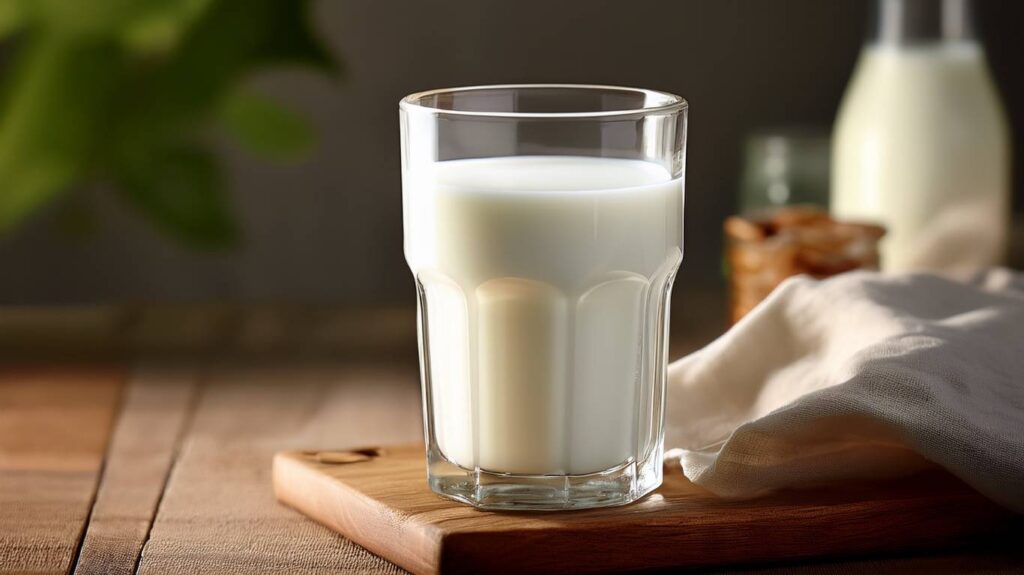
Walk into any Indian household after a heavy meal, and you’ll likely see someone reaching for buttermilk. Seasoned with cumin and salt, served cool, a glass of buttermilk settles a full stomach within minutes. This daily practice, repeated across millions of homes, points to something real happening in the digestive tract.
What Traditional Buttermilk Actually Is
Traditional buttermilk (called takra in Sanskrit or chaas in Hindi) comes from churning yogurt with water. Mix one-part fresh yogurt with three- to four-parts water, churn vigorously for several minutes, and strain out any remaining butter fat. What remains is a thin, tangy liquid carrying the live bacteria from the original yogurt fermentation.
This differs completely from commercial “cultured buttermilk” in Western supermarkets, which is made by adding bacterial cultures to low-fat milk and then pasteurizing it. Pasteurization kills both harmful and beneficial bacteria, extending shelf life but eliminating probiotic benefits.
The Bacterial Content
Yogurt fermentation produces lactic acid bacteria. Species including Lactococcus lactis, Lactobacillus acidophilus, and Pediococcus pentosaceus convert lactose into lactic acid during this process. These bacteria survive the churning process and remain active in traditionally prepared buttermilk.
When you drink buttermilk with live cultures, these bacteria temporarily colonize your digestive tract. They compete with pathogenic bacteria for nutrients and binding sites, produce antimicrobial compounds, and help maintain intestinal barrier integrity. Fermentation also generates short-chain fatty acids, B vitamins, and bioactive peptides.
Why Digestion Works Better with Buttermilk
Buttermilk addresses three common digestive challenges:
Reduced lactose. Fermentation converts 30-40% of milk lactose into lactic acid. People who struggle with regular milk often tolerate buttermilk because there’s simply less lactose to process.
Pre-digested proteins. Bacterial activity breaks down casein (milk’s primary protein) before it reaches your stomach. Your digestive system receives partially processed material rather than intact proteins.
Low fat content. After butter removal, buttermilk contains only 2-3 grams of fat per cup compared to 8 grams in whole milk. Fat slows stomach emptying. Less fat means faster transit and less bloating.
These three factors combine: easier processing, lighter feel, and fewer digestive complaints.
The pH Factor
Buttermilk measures acidic at pH 4.5-4.8, yet people with acid reflux often find relief from drinking it.
Here’s what happens: Your stomach operates at pH 1-3 when empty, rising to pH 3-5 after eating. Buttermilk’s pH falls within this post-meal range, matching rather than disrupting your stomach’s natural acidity. Highly alkaline drinks like baking soda water temporarily neutralize acid but trigger increased acid production. Buttermilk avoids this rebound effect.
Lactic acid may also coat the stomach lining, providing a protective layer against irritation. This mechanism hasn’t been confirmed in large clinical trials but aligns with both reported relief and basic biochemistry.
What Ayurvedic Medicine Documented
The Charaka Samhita lists buttermilk for treating edema, hemorrhoids, malabsorption syndromes, urinary retention, ascites, loss of appetite, and anemia. The text describes buttermilk as laghu (light to digest) and deepana (stimulates digestive fire)—properties we’d now describe as rapid gastric emptying and increased enzyme secretion.
Bhavaprakasha, another classical text, states: “Just as amrita (divine nectar) is for the gods, takra is to humans.”
Ayurvedic physicians adjusted buttermilk preparation based on individual constitution, season, and specific conditions. They varied the fat content, water ratio, and added spices depending on the patient’s needs. This level of customization suggests careful observation of cause and effect.
The Probiotic Mechanism
Every dairy-consuming culture developed fermented versions: kefir, yogurt, koumiss, skyr. Fermentation preserves milk, reduces lactose, and multiplies beneficial bacteria.
Buttermilk delivers probiotics alongside several advantages: reduced lactose, pre-digested proteins, minimal fat, high water content for hydration, and compatibility with digestive spices. Each factor enhances the others, creating cumulative benefits.
The bacterial strains in buttermilk are the same organisms that naturally ferment milk under the right conditions. They’re not laboratory creations or exotic additions.
How to Use Buttermilk
Preparation: Use yogurt labeled “live active cultures.” Room temperature yogurt churns better than cold. Mix one-part yogurt with three- or four-parts water. Churn for three to five minutes until smooth and frothy. Add roasted cumin powder, rock salt, minced ginger, curry leaves, or green chilies.
Best timing: After heavy or spicy meals. During hot weather for cooling. When recovering from illness and appetite is weak. As a lighter dairy option in general.
When to skip it: During colds or respiratory infections (cooling properties can worsen congestion). If you have severe lactose intolerance. Very early in the morning on an empty stomach, especially in cold weather.
Commercial versions: Most store-bought buttermilk options lack live cultures due to pasteurization. Look for unpasteurized versions specifically stating, “live active cultures.” Otherwise, make it yourself in under 10 minutes.
Why spices matter: Cumin reduces gas and aids digestion. Ginger settles nausea and stimulates enzyme production. Rock salt provides minerals without the harsh sodium chloride taste. Curry leaves contribute antimicrobial compounds. These additions serve function, not just flavor.
What Detoxification Means Here
Buttermilk doesn’t extract toxins through mysterious processes. Your liver and kidneys handle detoxification continuously.
What buttermilk does: supports normal digestive function. Smooth digestion means efficient waste elimination. Beneficial bacteria keep pathogenic ones in check. Intact intestinal lining prevents unwanted substances from entering the bloodstream. Better nutrient absorption gives your liver the raw materials it needs for its detoxification work.
This is maintenance and support; nothing more exotic.
Benefits of Traditional Buttermilk
The traditional method of culturing cream, churning into butter, separating buttermilk creates both ghee and live-culture buttermilk simultaneously. This process cannot be cut short.
You cannot add probiotics to pasteurized buttermilk and recreate the same product. You cannot skip the culturing step. You cannot use uncultured cream. Each of these changes produces something different with different properties.
Traditional buttermilk with live cultures, made from cultured cream, produces the digestive benefits people have relied on for generations.